
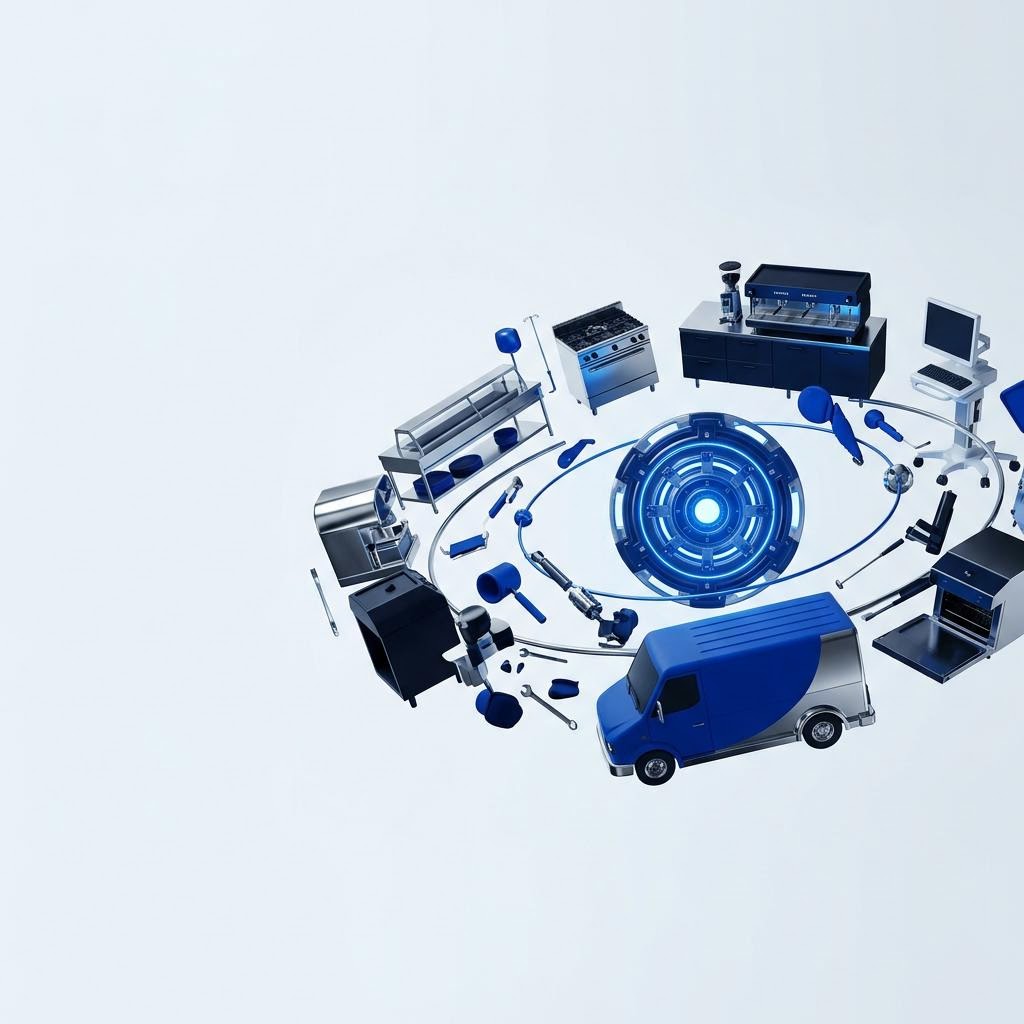
Equipment Financing in Cupertino, CA
Compare equipment loans and leases for technology, vehicles, tools, and other productive assets—before committing operating cash.
Match financing to the asset
Equipment financing is credit tied to an identified asset. A lender or lessor may pay a vendor directly, while the equipment (and sometimes additional collateral or a personal guarantee) supports the obligation. A purchase loan generally gives the business ownership after repayment; a lease gives contractual use, with ownership and end-of-term options determined by the agreement.
The useful life, resale market, installation needs, and expected cash flow matter more than a product label. Compare the total cost and payment schedule with the asset’s expected productive life. Do not assume that collateral makes an offer inexpensive or that a lease is automatically easier to exit.
Cupertino use cases
- Technology and professional services: specialized workstations, lab instruments, servers, networking, and cybersecurity hardware for firms serving the broader Silicon Valley market.
- Health, wellness, and dental practices: imaging, treatment, sterilization, and diagnostic equipment, subject to licensing and installation requirements.
- Contractors and mobile services: vans, trailers, machinery, and tools used on routes from Monta Vista and Rancho Rinconada to customers across Cupertino and nearby cities.
- Retail, food, and hospitality: refrigeration, commercial ovens, point-of-sale systems, fixtures, and inventory-supporting equipment in areas such as Cupertino Village.
Loan, lease, and cash questions
Ask whether pricing is an interest rate, APR, factor, or fixed rental charge; calculate net proceeds, total repayment, payment frequency, taxes, delivery, installation, maintenance, insurance, and filing fees. Clarify residual value, buyout or renewal options, upgrade rights, early termination, default remedies, and who bears loss if equipment is unusable. A longer term can reduce each payment while increasing total cost and the risk of owing money after the asset becomes obsolete.
A loan or lease may not fit equipment with uncertain resale value, a short useful life, irregular revenue, or a project that also needs substantial working capital. Paying cash may be safer when reserves remain adequate; a working-capital facility may be more flexible for recurring expenses. Compare alternatives in the funding comparison guide and test payment capacity with the affordability calculator.
Prepare a review package
Gather a vendor quote or invoice with make, model, serial number, condition, useful life, delivery, installation, and warranty terms. Providers may also request current profit-and-loss and balance-sheet reports, business and sometimes personal tax returns, recent business bank statements, ownership and formation records, licenses, insurance, existing debt, and a concise explanation of how the asset will generate or protect cash flow. The document checklist and readiness checklist can help organize this information.
Local context helps explain, but does not establish eligibility: review guides for Monta Vista, Rancho Rinconada, Seven Springs, and Oak Valley when describing routes, workspace, and customer access.
Questions before signing
- Who owns the equipment during the term, and what happens at the end?
- What collateral, lien, guarantee, insurance, and maintenance obligations apply?
- What is the total dollar cost, including fees and a potential early payoff?
- Can payments still be made if installation is delayed or revenue ramps slowly?